
What is Wagyu ground beef?
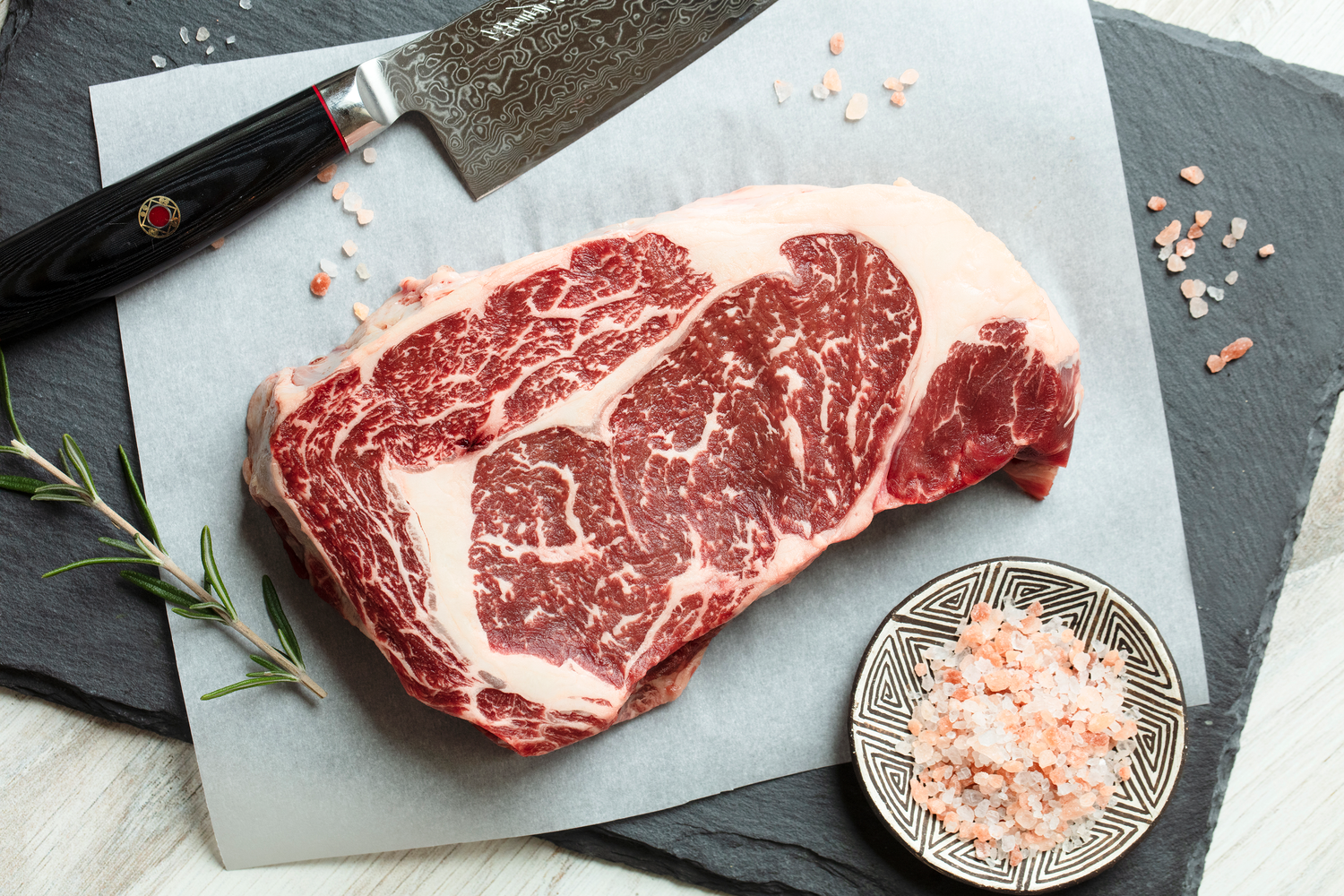
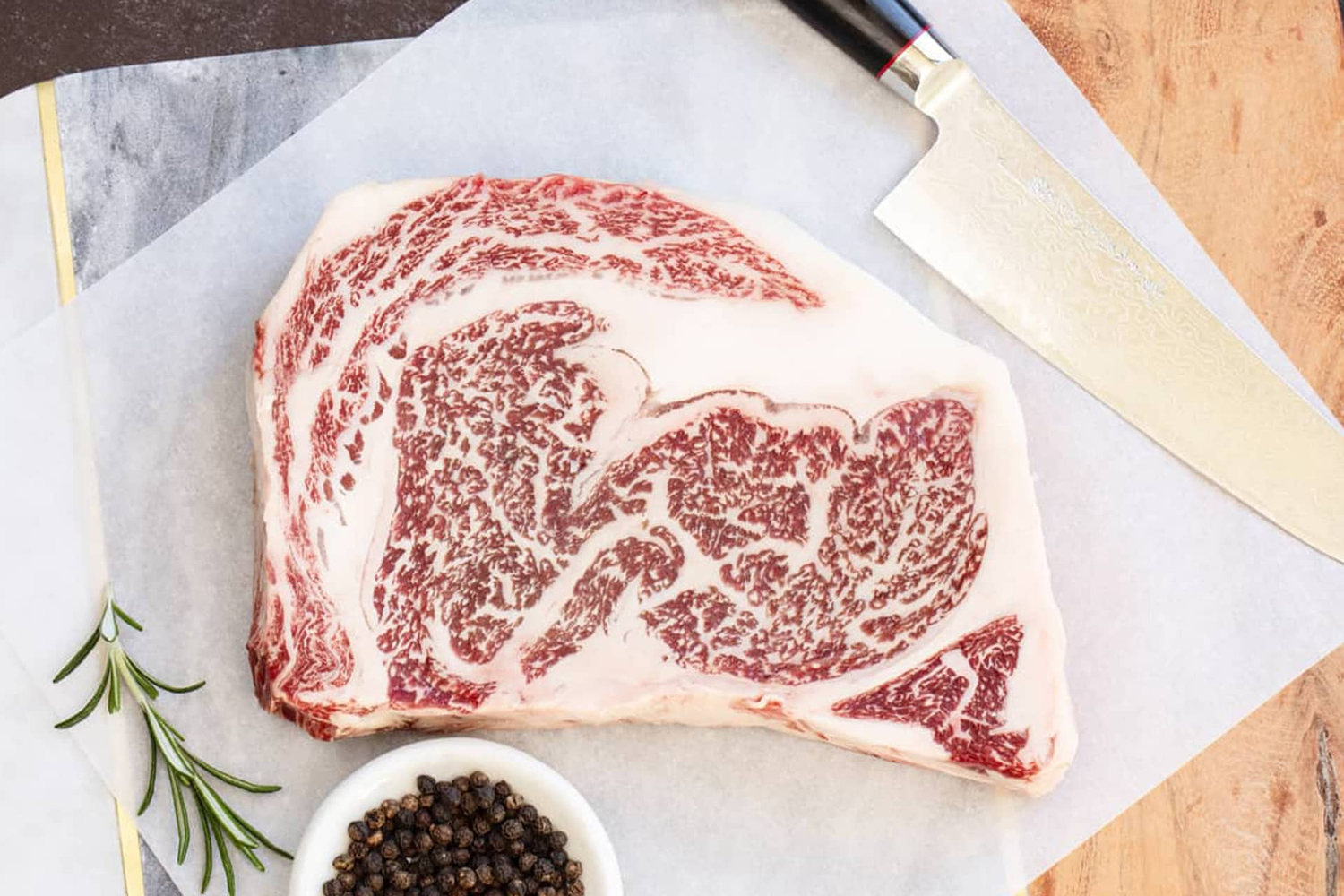
Wagyu ground beef comes from Japanese‐bred Wagyu cattle prized for their high marbling and buttery flavor. Unlike standard ground beef, it delivers unmatched juiciness and tenderness—perfect for burgers, meatballs, and more, giving every bite a melt-in-your-mouth texture.
- Superior marbling (20–30% fat) for extra juiciness
- Rich, buttery taste that stands up to bold flavors
- Ideal for gourmet burgers, meatballs, and lasagna
- Thaws quickly and cooks evenly
- Natural beefy aroma enhances any recipe


5 Reasons Why Wagyu Ground Beef Is Better Than Other Types of Beef
5 Reasons Why Wagyu Beef Is Better
Wagyu beef has gained global recognition for its extraordinary flavor and texture, largely owing to its rich marbling and superior genetics. Originating from Japan, Wagyu has higher levels of omega-3 and omega-6 fatty acids, and a notable concentration of B12, contributing to overall energy levels. Here are five reasons why Wagyu beef outperforms other types of beef, like Angus or regular ground beef.
1. The Intramuscular Fat Makes Wagyu Juicier
Wagyu ground beef stands out with a higher juiciness rating than other beef types, thanks to its high level of intramuscular fat. This fat is distributed evenly between muscle fibers, bestowing Wagyu meat with exceptional texture, moisture, and flavor. In contrast, other beef types, like Angus, have less intramuscular fat and more exterior fat pockets.
2. Wagyu's Good Fat Can Help Protect Against Cancer
Research published in the Journal of Agricultural and Food Chemistry has linked consumption of beef with high intramuscular fat content (like Wagyu) to a lower risk of developing cancer. Further studies from Japan suggest that Wagyu beef, with its high oleic acid content (omega-3 and omega-6), may reduce factors contributing to heart disease and cholesterol levels.
3. Wagyu’s Fat Is a Healthier Type of Fat
Because Wagyu is so heavily marbled, a 4 oz serving has a similar or slightly higher amount of total fat than conventional Angus beef, not less. What sets it apart is the kind of fat. Wagyu is much higher in monounsaturated oleic acid, the same heart-friendly fat found in olive oil, at roughly 50 to 55 percent of its fatty acids versus 35 to 40 percent in conventional beef (Frontiers in Animal Science, 2024). In a Texas A&M study, men who ate high-oleic ground beef from Wagyu-influenced cattle raised their HDL (good) cholesterol compared with those eating conventional beef (Gilmore et al., Journal of Nutrition, 2011). Wagyu also tends to have a better omega-6 to omega-3 balance. The advantage is the quality of the fat, not a lower amount of it.
4. Wagyu's Good Fat Aids Digestion
Besides being delightfully flavorful, Wagyu beef has been shown to improve digestion. The high-quality fats in Wagyu beef enhance nutrient absorption, making your meals not just more enjoyable but also more beneficial to your health.
5. Consumption of Wagyu's Good Fat Can Promote Weight Loss
Contrary to popular belief, consuming fatty foods can actually aid in weight loss. A study published in the Journal of Nutrition found that individuals who included fats in their diets lost more weight than those who avoided fats entirely, even when total calorie intake remained the same.
Shop Our Wagyu Ground Beef
Raised in Colorado, shipped to your door. Free 2-day shipping on orders over $200.


To learn more check out our Health Benefits of Wagyu and Is Wagyu too Fatty?
Here is a breakdown of our Wagyu ground beef’s nutritional information, measured per 4 oz raw:
| Nutrient | Amount |
|---|---|
| Calories | 320 |
| Total Fat | 27 g |
| Saturated Fat | 11 g |
| Trans Fat | 1 g |
| Polyunsaturated Fat | 1 g |
| Monounsaturated Fat | 14 g |
| Cholesterol | 75 mg |
| Sodium | 70 mg |
| Total Carbohydrates | 0 g |
| Protein | 19 g |
| Vitamin A | 0 % |
| Vitamin C | 0 % |
| Calcium | 0.3 % |
| Iron | 14 % |
Representative values for Wagyu ground beef, per 4 oz raw, based on USDA and published nutrition data, and will be updated with Cross Creek Ranch’s own lab analysis. Nutrition varies by cut; see each product page for cut-specific numbers.